Salt air in the morning, sunset walks after dinner, and a quick drive to your favorite beach—if that sounds like your ideal day, Westport’s shoreline neighborhoods might be a great fit. You want an easy, active lifestyle with parks, arts, and commuting options that still keep you connected. In this guide, you’ll get a clear picture of daily life near Compo, Owenoke, Old Mill, Burying Hill, Longshore, and Greens Farms so you can decide if living near the water matches your routine and goals. Let’s dive in.
Westport at a glance
Westport sits on Connecticut’s Gold Coast with about 27,000 residents and a long, varied shoreline. You have three town beaches, a major state park, and a town-owned waterfront complex that feels like a resort. Downtown and Saugatuck offer dining, coffee, groceries, and boutiques within minutes. Two Metro-North stations make New York City commuting realistic for many professionals.
The main beaches and how they work
Compo Beach: big, social, and amenitized
Compo is Westport’s largest town beach and the hub most residents picture: boardwalk, pavilion, concessions, volleyball, a playground, and an adjacent marina. In season, the town enforces daily parking, fee programs, and resident parking emblems. For current rules, seasonal dates, accessibility features, and fees, check the town’s detailed Compo Beach page on the Parks and Recreation site. You can review the latest specifics on the official page for Compo Beach.
Burying Hill Beach: small and scenic
Burying Hill is a quieter, 2.39-acre pocket beach with restroom and picnic facilities. It follows the town’s emblem and seasonal rules, including limits on certain activities and dog restrictions during peak months. Get a feel for the layout and current policies on the town page for Burying Hill Beach.
Old Mill Beach: intimate and residential
Old Mill is the smallest and most tucked-away beach, with limited parking, no restrooms, and no lifeguards. Parking access is restricted to eligible emblem holders, which keeps the vibe calm and walkable for nearby residents. See the latest access notes and seasonal guidance on Old Mill Beach.
Longshore life beyond the sand
Longshore Club Park is a 169-acre waterfront complex that many beach-neighborhood residents use daily. It has an 18-hole municipal golf course, pools, tennis and pickleball, a sailing school, a marina, and year-round programming. Families often split time between Longshore’s lessons and leagues and the sandy beaches for weekends or guests. Review facilities, permits, and program access at Longshore Club Park.
Nearby nature at Sherwood Island
Sherwood Island State Park, Connecticut’s first state park, stretches along the shore with long sandy sections and a nature-forward feel. It is managed by the state, so rules and parking fees differ from the town beaches. In-state vehicles often use the Passport to the Parks program, while out-of-state vehicles pay daily parking in season. Learn more and plan visits through the state page for Sherwood Island State Park.
Seasonal rhythms you can expect
Summer: lively days and busy weekends
From late spring through early fall, Compo and the Saugatuck waterfront come alive. You will see families on the sand, full volleyball courts, and active marinas. Expect weekend parking to fill up quickly during peak weather, and plan arrivals accordingly. Town events, fireworks, and outdoor performances shape many summer evenings.
Spring and fall: calm, walkable, and local
Shoulder seasons are when locals stretch out. Restaurants are easier to get into, shoreline walks are a daily habit, and there is plenty of space to enjoy the parks. Dogs are allowed on certain beaches in the off-season windows, with rules spelled out on the town beach pages.
Winter: quiet, cozy, and community-focused
Winter is peaceful by the water. Many residents still walk the beach or head to Longshore for cold-weather programs. Downtown’s cultural calendar keeps the community connected with theater, talks, and library events, even when the sand is empty.
Arts, culture, and community anchor points
Westport’s cultural life is a big reason shoreline neighborhoods feel balanced. The Westport Country Playhouse, the Levitt Pavilion’s seasonal concerts, and the Westport Library’s programs give you options close to home. Seasonal farmers markets and town-led activities at Compo and Longshore add to an easy, community-first rhythm. For school information and district programs, start at Westport Public Schools.
Getting around and the NYC commute
You have two Metro-North stations serving town: Westport/Saugatuck and Greens Farms. Typical on-train times to Grand Central vary widely by train, but many riders plan for roughly 50 to 75 minutes, then add time for parking or walking. Parking permits and waitlists are part of daily planning for some commuters in Fairfield County. For a broad overview of commute ranges and station context, review this independent summary of Westport’s commute logistics. Always confirm current timetables and parking rules before you set a routine.
Homes, architecture, and why prices vary
What you will see near the shore
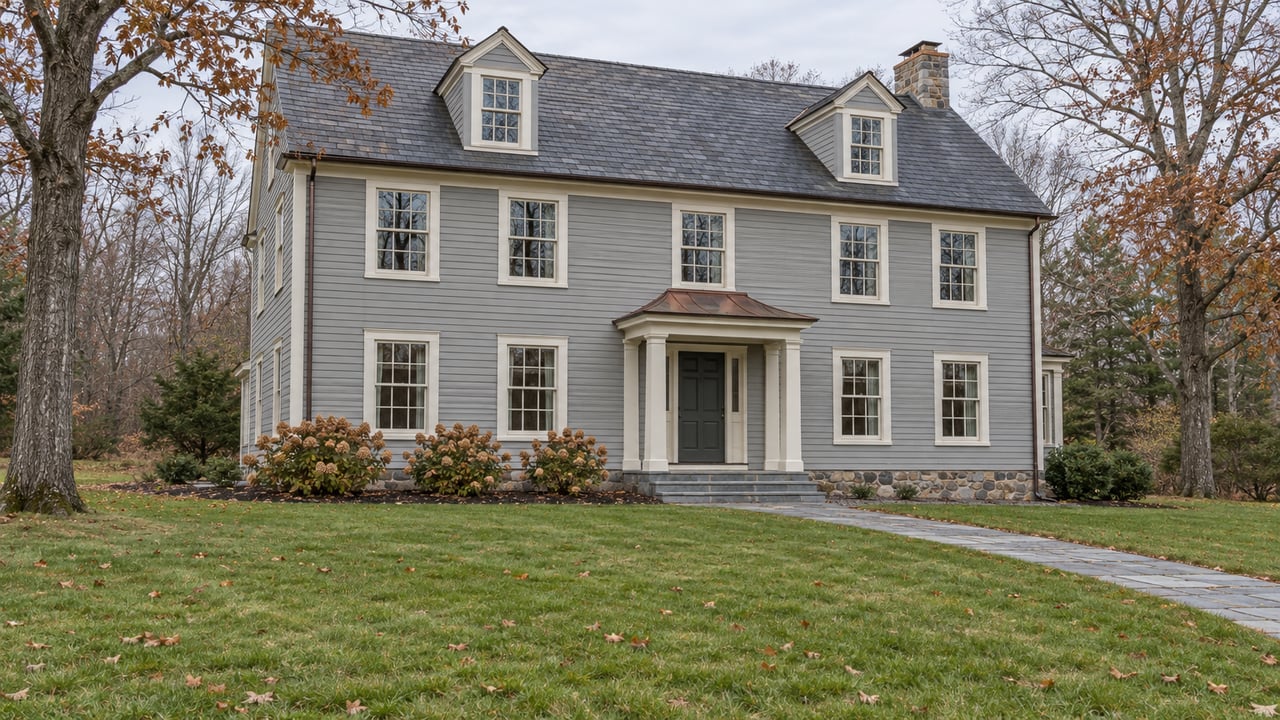
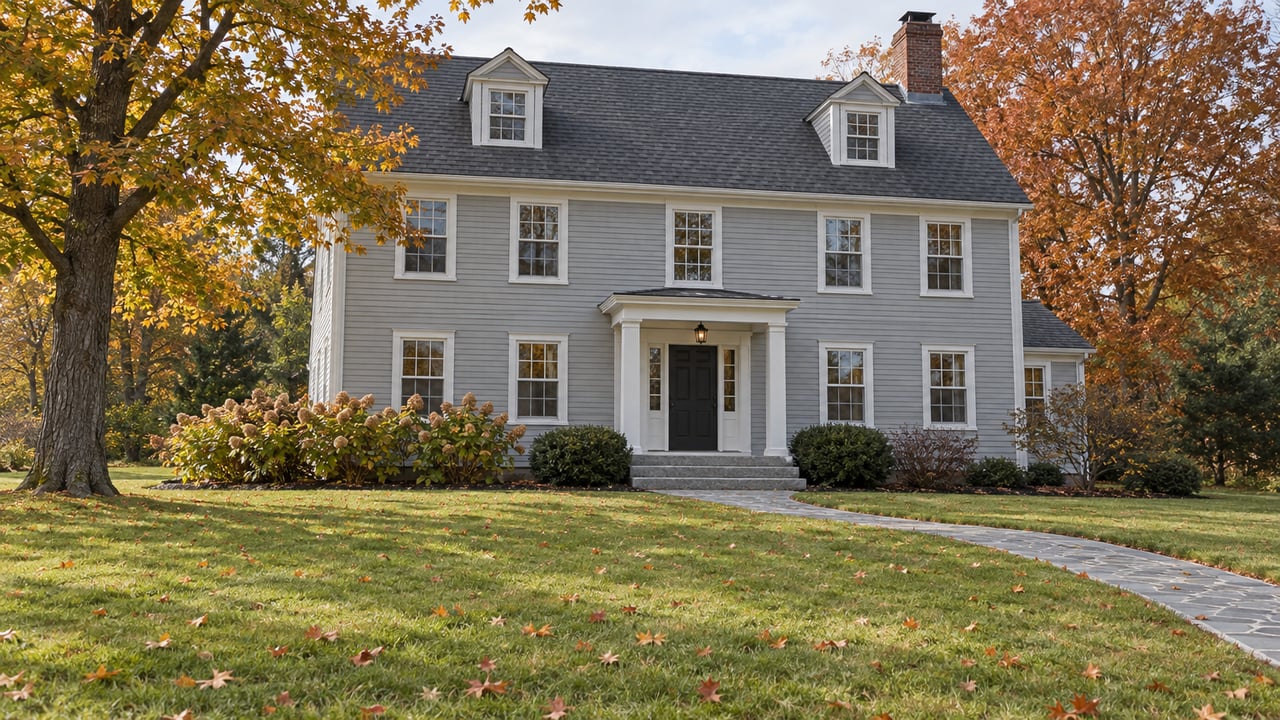
The Compo and Compo–Owenoke area includes early 20th-century cottages and classic resort-era houses in styles like Colonial Revival, Tudor Revival, Craftsman, and Queen Anne. Much of this character is recognized in the Compo–Owenoke Historic District. Mill Cove and parts of Owenoke have tight cottage clusters, sometimes foot-path only, that feel distinctly coastal.
Greens Farms and Beachside Avenue move to a larger scale with substantial homes on bigger lots, which is why the price spectrum runs wide along the shoreline. The closer you get to the water or a short walk to the beach, the more consistent the premium.
A quick price snapshot
As of December 2025, Realtor.com’s Westport overview shows median listing figures in the multi-million range for the 06880 zip code, with neighborhood medians for Compo/Owenoke and Greens Farms often higher. Treat this as context rather than a quote, since prices move with inventory and seasonality. You can review current market context on Realtor.com’s Westport overview. If you are comparing streets, ask for a hyper-local analysis that factors in flood zone, elevation, walkability, and recent nearby sales.
Practical tradeoffs of coastal living
Beach access and parking
- Compo uses seasonal daily parking, daily-fee limits, and resident emblems.
- Burying Hill enforces emblem and seasonal rules similar to Compo.
- Old Mill restricts in-season parking to eligible emblem holders, which keeps it lower key.
For up-to-date rules, visit the town pages for Compo Beach, Burying Hill Beach, and Old Mill Beach.
Flood, insurance, and maintenance
If you are buying near the water, confirm the property’s FEMA flood zone, elevation, and any local permitting or construction requirements. Many coastal homes have been elevated or renovated to meet current standards, which can affect insurance and long-term maintenance. Start with the town’s guidance and FEMA resources linked through Westport’s floodplain and flood protection information.
Daily convenience and errands
From the beach blocks, you are a short drive to groceries, downtown shops, and Saugatuck dining. Larger retail hubs along Post Road are minutes away. Many residents plan errands around school drop-offs or train schedules, which keeps weekdays efficient.
A day in the beach neighborhoods
Picture a quick school drop-off, then a shoreline walk at Old Mill or a coffee near Compo before you log on. After work, you head to Longshore for a late tee time or a sailing lesson pick-up, then meet friends for an outdoor concert when the weather cooperates. On weekends, you choose between Sherwood Island’s long, quiet strand and Compo’s active, social energy. The rhythm is simple and flexible, which is why people settle here for the long term.
Buyer checklist for Westport’s shore
- Confirm beach access rules that matter to you. Review seasonal parking emblem requirements and any daily-fee limits for Compo and Burying Hill.
- Verify flood zone, elevation, and estimated insurance early. Use the town’s floodplain resources and FEMA maps.
- Map your commute. Compare Westport vs. Greens Farms station access, parking permit timing, and your door-to-door schedule.
- Ask for a micro-market analysis. Prices shift block by block based on water proximity, house size, renovation level, and flood factors.
- Review school registration details. Westport Public Schools manage enrollment by residency and street assignments. Start at Westport Public Schools for registration steps.
Curious how the beach neighborhoods compare to other Fairfield County options for your budget and commute? Let’s talk about a plan that fits your routine and long-term goals. For tailored guidance and local market insights, connect with Lauren Parr Homes. Get your instant home valuation and start your next step with confidence.
FAQs
What should I know about Westport beach parking?
- In season, the town enforces resident emblems and daily fees that vary by beach. Check current rules on the town pages for Compo, Burying Hill, and Old Mill before you go.
How long is the Westport-to-NYC commute by train?
- Typical on-train times to Grand Central often range from about 50 to 75 minutes depending on the train. Add time for station parking or walking. Verify with current Metro-North schedules.
What home styles are common near Westport’s beaches?
- You will see renovated seaside cottages and early 20th-century styles in Compo–Owenoke, plus larger traditional homes and estates in Greens Farms and along Beachside Avenue.
What should buyers know about flood risk near the shore?
- Confirm the property’s FEMA flood zone and elevation, review town guidance, and get an insurance quote early. Many waterfront homes use flood-mitigation features that can affect costs.
How does school enrollment work for Westport neighborhoods?
- The district manages enrollment by residency and street assignments. Review registration steps and school-locator details through Westport Public Schools before you move.