Starting Saturday, September 26, no Metro-North train will stop at East Norwalk station in either direction. Not slower service, not fewer trains: nothing. Anyone who commutes from a home near that platform will need to drive to South Norwalk or Westport, or catch a free shuttle running a temporary weekday schedule, until service resumes on October 18.
This isn't a permanent problem. It's one piece of the WALK Bridge Replacement Program's TIME-2 project, the work that will eventually give East Norwalk two rebuilt platforms long enough for six-car trains, new canopies, and a dedicated drop-off lane. Construction started back in March 2024 and runs roughly four years, with four separate three-week closures built into that timeline. This fall's closure is simply the next one on the calendar.
The three weeks themselves aren't the story. What they expose is the story: Norwalk's train stations were never interchangeable, and buyers who shop "Norwalk" as a single commute proposition are missing the distinction that actually determines their trip to Grand Central.
Three Stops, Three Different Jobs
Norwalk's stretch of the New Haven Line carries three stations: South Norwalk, East Norwalk, and Rowayton. A fourth stop, Merritt 7, sits on the Danbury Branch and serves a different kind of rider entirely.
South Norwalk, known locally as SoNo, functions as the hub. It carries the most frequent service in the city and the best access to express patterns, with trips to Grand Central running roughly 65 to 80 minutes depending on the train. It sits inside walking distance of the SoNo arts and dining district, which has become its own draw for buyers who want density over a yard.
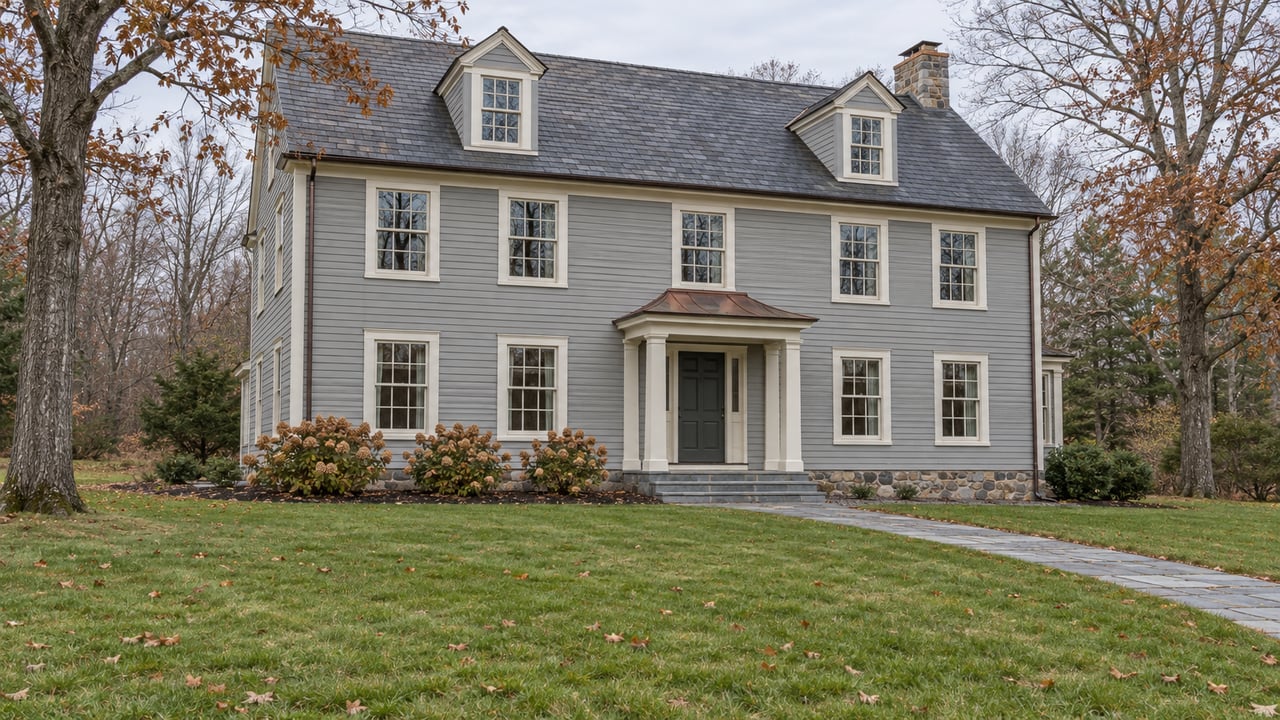
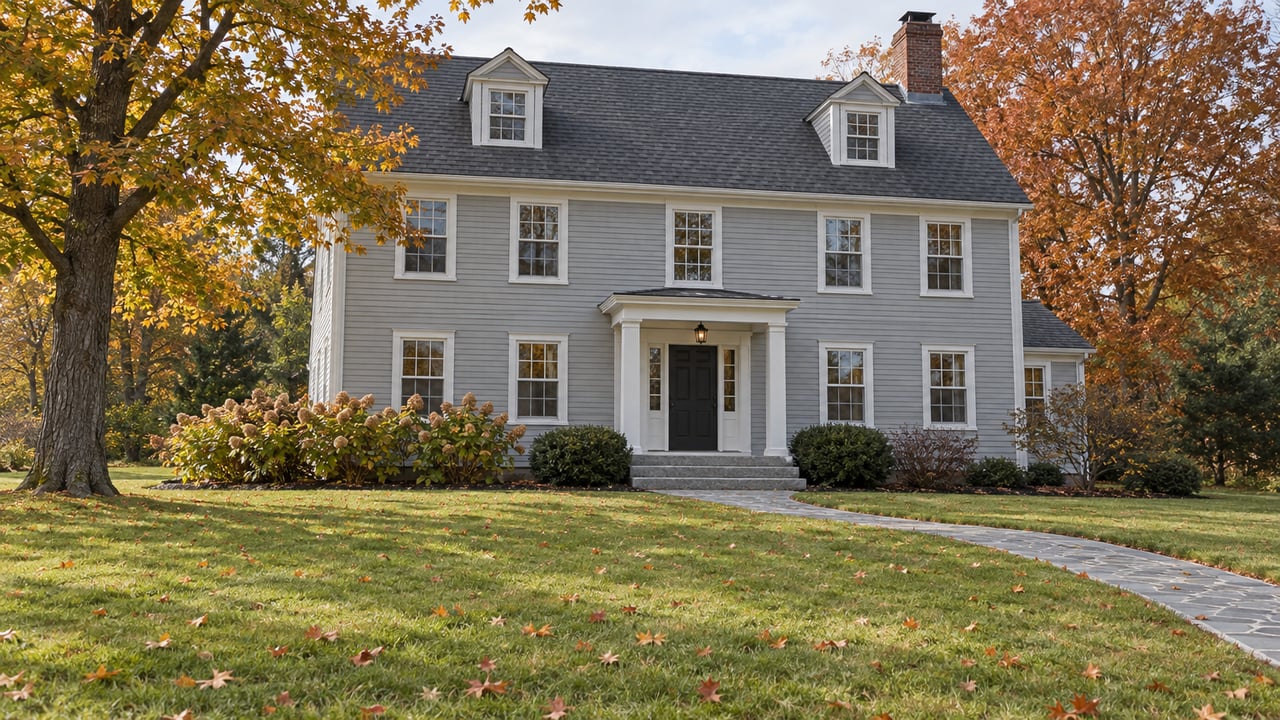
East Norwalk is a local stop. Direct peak expresses are limited, and many commuters already transfer at South Norwalk or Stamford to shorten the ride, closure or no closure. The neighborhood around it mixes single-family homes with condos at what typically prices as a mid-market pocket within the city.
Rowayton is smaller still, with less express frequency than SoNo and a quieter, shoreline village feel. Parking is state-controlled, with roughly 330 spaces and a permit process that can run tight.
Merritt 7 is a different animal. Peak direct trains to Grand Central are limited there, and the stop functions more as a park-and-ride for reverse commuters and office park employees along Route 7. It solves a driving-to-a-desk problem, not a Manhattan commute problem.
Here's the comparison side by side:
| Station | Line | Peak service tier | Typical GCT trip | Parking |
|---|---|---|---|---|
| South Norwalk | New Haven Line | Hub, most frequent, best express access | ~65-80 min | Larger municipal lots and garage |
| East Norwalk | New Haven Line | Local-only, limited direct peak service | Often requires transfer at South Norwalk or Stamford | Weekday permit control, ~182 East Ave lot |
| Rowayton | New Haven Line | Local, less express frequency than SoNo | Slightly longer than SoNo on local trains | State lot, ~330 spaces, tight permits |
| Merritt 7 | Danbury Branch | Reverse-commute, limited peak GCT trains | Best suited to Route 7 destinations, not Manhattan | Park-and-ride, shrinking as redevelopment adds resident parking |
The asymmetry didn't start with this closure. It's been sitting in the schedule the whole time. The closure just makes it visible to anyone who assumed a five-minute walk to any Norwalk platform bought the same commute.
What That Asymmetry Costs, in Dollars
Norwalk's citywide median sale price sat at $758,000 over the three months ending July 2026, up 16.6% year over year. That number is a useful headline, but it flattens real differences between the city's train-adjacent submarkets.
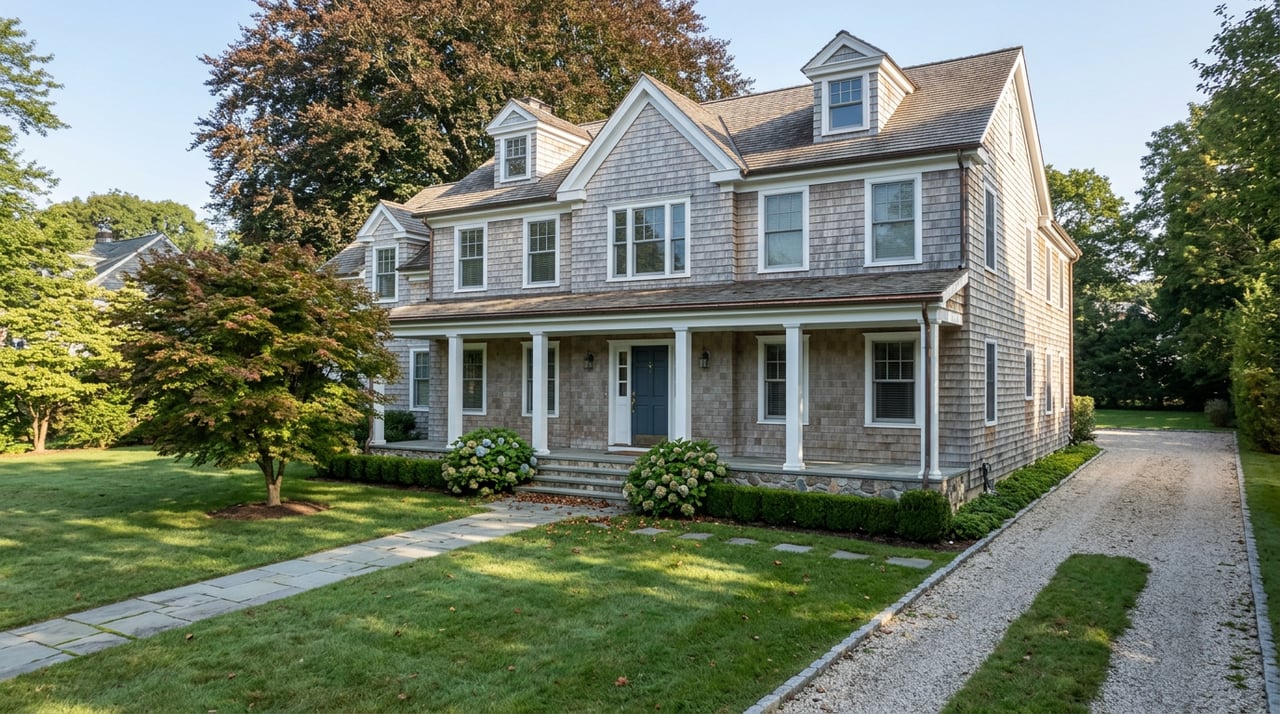
West Norwalk's detached colonials tend to trade 10 to 15 percent above the city median. Rowayton runs well above $1.5 million for anything on or near the water, reflecting both its shoreline setting and its lower-density, more residential character. South Norwalk's own neighborhood, the walkable core around Washington Street, has been drawing buyers who want breweries, galleries, and restaurants within reach and have less interest in a lawn-and-school calculation. Its recent three-month median came in near $723,000, though that figure moved sharply on a small sample of roughly two dozen sales, so it's worth reading as directional rather than settled. East Norwalk, despite sitting directly on a rail line, trades closer to the mid-market range for the city.
The pattern that emerges isn't "proximity to any train raises price." It's "proximity to frequent, reliable service raises price," and that's a narrower and more useful thing to know before you write an offer. A home five minutes from East Norwalk's platform and a home five minutes from South Norwalk's platform are not competing in the same commute tier, even though both listings might say the identical thing: walk to the train.
The Parking Question Buyers Forget to Ask
A walkable commute on paper can turn into a driving commute in practice if the station doesn't have room for your car. Rowayton's roughly 330 state-controlled spaces come with a permit process that can be tight enough to change how you actually use the station day to day. East Norwalk's own commuters are being redirected to the 182 East Avenue lot during this closure, a small reminder that parking capacity there was already a managed resource before construction touched it. Merritt 7's supply is shrinking further as new residential buildings near the station add resident-only parking that isn't available to commuters at all.
None of this shows up in a listing description. It shows up on your first Tuesday morning trying to find a spot, which is exactly why it belongs in a buyer's due diligence conversation rather than in a footnote after closing.
What Ongoing Construction Means for East Norwalk Buyers
Because four separate closures are built into the WALK Bridge TIME-2 timeline, an East Norwalk address should be evaluated with the expectation that this fall's disruption isn't a one-time event. It's a recurring feature of owning near that platform until the project wraps, likely with additional temporary closures spaced out over the next few years. South Norwalk, by contrast, sits outside this particular construction footprint and keeps uninterrupted access throughout.
That's not a reason to avoid East Norwalk. Plenty of buyers value the calmer residential streets and the mid-market pricing enough to accept a local-only stop and an occasional detour to South Norwalk. But it's a reason to walk into that decision with eyes open rather than assuming the platform will behave the same way, year over year, as the one three stops down the line.
Matching the Station to the Actual Commute
- If frequent, reliable Grand Central access is the priority, weight your search toward walkability to South Norwalk itself, not just toward "a Norwalk train station."
- If quieter streets matter more than express frequency, Rowayton or East Norwalk can still work well, provided you budget time for the permit process and occasional schedule gaps.
- If the daily trip ends in a Route 7 office rather than Midtown, Merritt 7's park-and-ride setup solves a different problem than any of the New Haven Line stops.
- Confirm current parking rules and schedule patterns directly with Metro-North before making an offer that depends on a specific commute working exactly as planned.
A Few Questions Worth Asking Before You Offer
Will other Norwalk stations close for construction too? The current WALK Bridge TIME-2 work is scoped specifically to East Norwalk's platforms. South Norwalk and Rowayton aren't part of this project's footprint, though it's worth checking for regional schedule updates before locking in a commute plan around any single station.
Does buying near a local-only station hurt resale value? The research doesn't support a blanket answer. It's less about resale and more about matching the home to how you'll actually use the train. Rowayton's pricing, well above $1.5 million near the water, shows that a local-only stop hasn't stopped strong demand for the right kind of buyer.
Is there a faster option on the horizon? A wider regional project, Penn Station Access, would eventually let New Haven Line trains reach Penn Station via the Hell Gate Line, adding a second Manhattan option beyond Grand Central. No firm date has been set for Norwalk service under that plan, so it's worth watching rather than counting on for now.
Commute logistics are the kind of detail that never shows up in a listing photo but shapes daily life more than almost anything else on the sheet. If you're weighing a move to Norwalk, or comparing it against Wilton, Westport, or another Fairfield County town along the same line, Lauren Parr Homes can walk through which station actually fits your commute, not just which zip code sounds right. Start with the Norwalk neighborhood guide, browse current buyer resources, or get in touch directly to talk through what a specific address's train access really looks like before you make an offer.