Thinking about trading your NYC apartment for more space and a backyard without losing easy access to Manhattan? You are not alone. Many New Yorkers look to New Canaan for its village lifestyle, strong public schools, and realistic rail commute. In this guide, you will learn what the move really looks like, from train logistics and parking to housing styles, taxes, and a smart scouting plan. Let’s dive in.
Why New Canaan stands out
New Canaan sits about 35 to 40 miles from Manhattan and offers a walkable village center with boutiques, restaurants, and services clustered near the train station. The town is known for larger lots, mature trees, and a notable collection of mid‑century modern homes alongside classic Colonials and Tudors. Many NYC professionals choose New Canaan for the blend of space, community feel, and access to Metro‑North. If you want a small‑town rhythm with a direct line to Grand Central, it is a natural fit to explore.
Commute to Manhattan
New Canaan is on the Metro‑North New Canaan Branch, which connects to the New Haven Line. During peak hours, many trains run directly to Grand Central without a transfer. Commute times vary by schedule and train type, but riders typically experience about 60 to 90 minutes door to door on direct peak trains. For the most accurate picture, plan to ride a morning peak train during your scouting trip and time your return options in the evening.
Express and nearby station options
If you want more frequent express choices, some commuters drive to larger nearby stations such as Stamford or Darien. This can provide additional schedule flexibility, especially during peak hours. Always compare parking and permit availability before you decide which station will be your base.
Station parking and permits
New Canaan offers commuter parking at the station and in municipal lots, with a mix of daily meter spaces and permit spots. Demand is high, and waitlists for annual permits are common. Before you buy or rent based on commute assumptions, check current policies, fees, and waitlist timing with the town’s parking division. If you are in a transition period, daily parking, drop‑off, or ride‑share can bridge the gap.
Tips for smoother mornings
- Arrive earlier for peak trains if you rely on daily parking.
- Consider a backup lot or a nearby station on days with tight timing.
- Test different trains to find your best balance of time and crowds.
Driving and getting around
While many residents rely on the train for commuting, driving remains a practical option for local errands and weekend trips. Access to the Merritt Parkway and I‑95 varies by where you live in town. Traffic can be heavy at peak times, which is why many commuters prefer rail for consistent timing.
Housing types and architecture
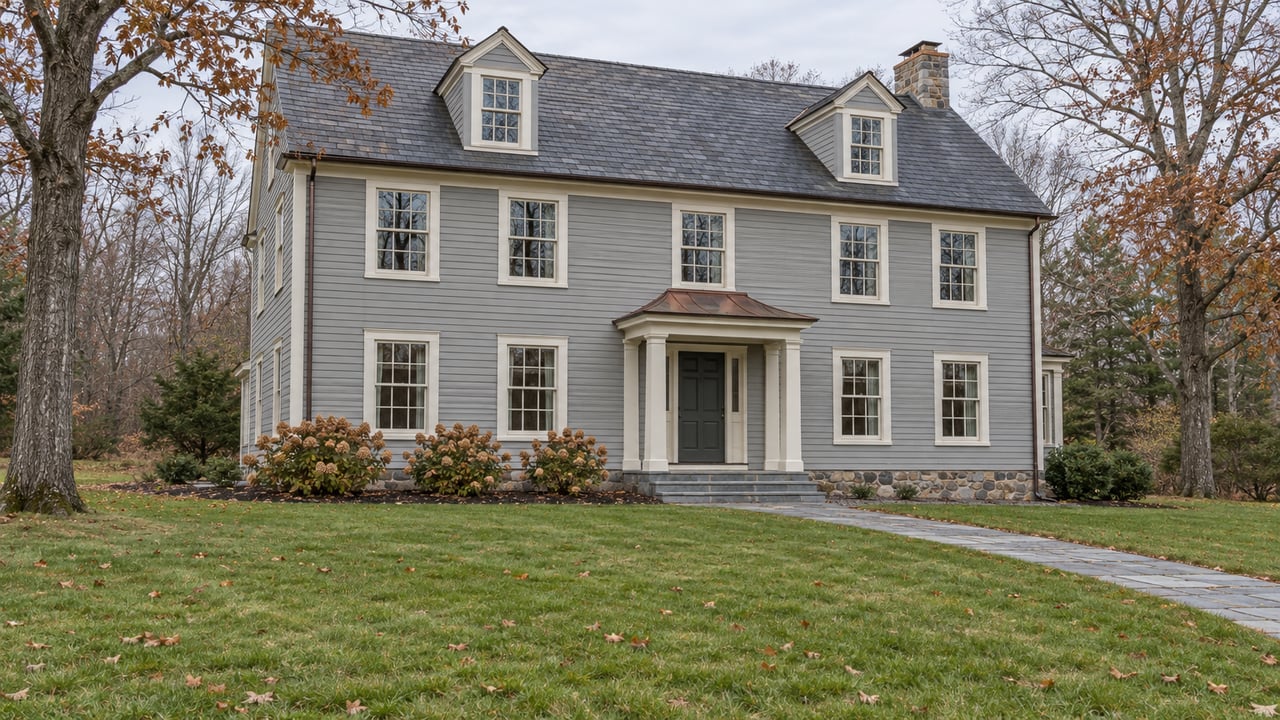
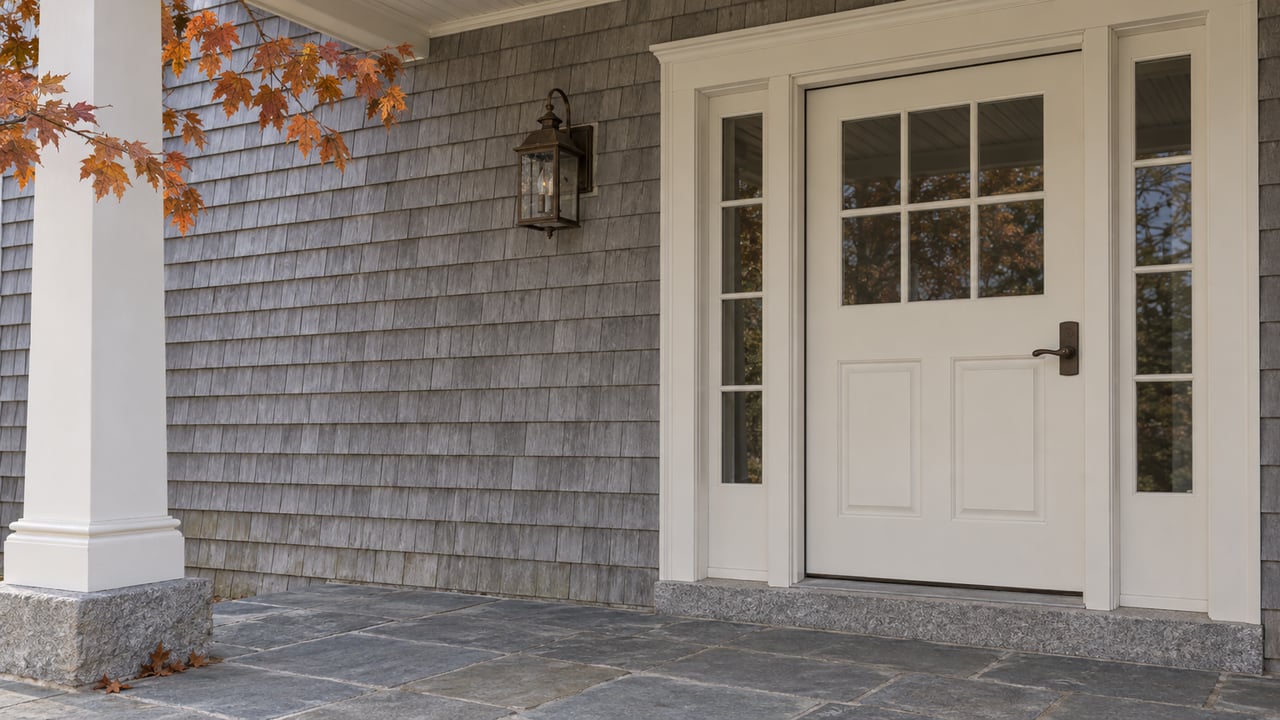
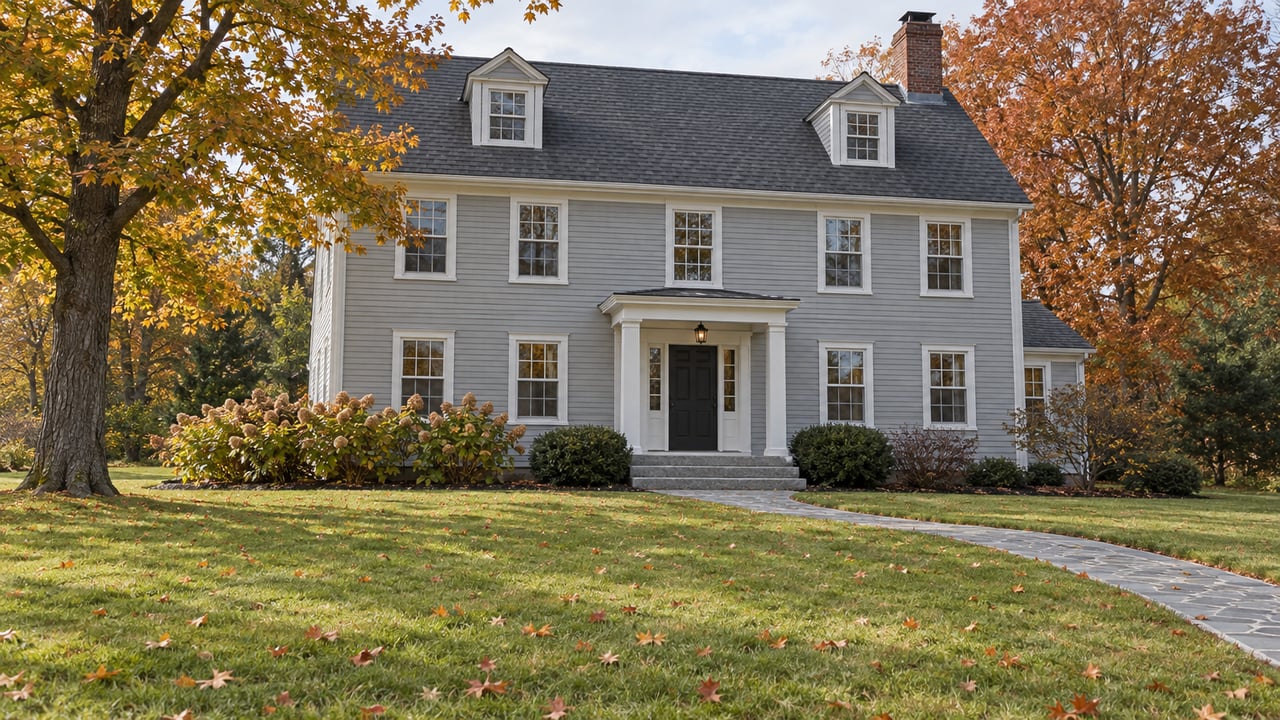
Single‑family homes dominate in New Canaan. You will find classic Colonials, Tudors, and Victorians, plus larger post‑war homes and architecturally significant mid‑century moderns. Lot sizes tend to be larger than inner‑suburban alternatives, and private yards are common. Condominiums and townhouses exist but are limited compared with single‑family options, and multi‑family properties are rare by NYC standards.
Price tiers and competition
New Canaan’s market is premium compared with many suburbs, with three broad segments:
- Entry tier: smaller homes or properties needing renovation. These often move quickly.
- Mid tier: updated, comfortable family homes that make up a large share of transactions.
- Luxury tier: large estates, custom new construction, and architecturally significant homes.
Inventory can be tight, and well‑priced homes in good locations draw strong interest. If you are serious, ask your agent for current comparable sales and a plan to act quickly when the right home appears. A clear strategy for pricing, contingencies, and timing can make a real difference.
Property taxes and ongoing costs
Connecticut property taxes are set at the town level, and New Canaan’s assessed values tend to be high. Plan for a meaningful annual tax bill, even if the effective rate is moderate. Beyond the mortgage, budget for utilities in larger homes, lawn care and snow removal, homeowner’s insurance, and potential septic or well maintenance depending on the property.
If you will live in Connecticut and work in New York, talk with a qualified tax advisor about CT income tax and New York withholding. The right guidance helps you avoid surprises and duplicate taxation.
Daily life in the village
Downtown New Canaan feels like a true village, with locally owned shops, cafes, restaurants, and everyday services near the station. On weekends, you will see families and friends meeting for coffee, enjoying parks, and attending community events. For groceries and big‑box shopping, nearby towns offer additional options a short drive away. Health care for routine needs is available locally, with hospitals and specialists in Stamford, Norwalk, and the broader region.
Schools and education basics
New Canaan Public Schools have a strong reputation in statewide rankings, which is a major draw for many buyers. If schools are a priority, confirm boundary maps and enrollment policies directly with the district. You will also find private school options in the wider area. For the best experience, plan ahead for bus routes, after‑school programs, and activity schedules.
Plan your scouting trip
Get a real feel for your week and weekend rhythm before you make a move. Use this plan:
Weekday test
- Ride a morning peak train to Grand Central and time the full door‑to‑door trip.
- Check return trains at different hours and note crowd levels.
- Visit the municipal parking office to ask about permits, daily options, and waitlists.
Weekend walk
- Stroll the village, then drive or walk through several neighborhoods.
- Visit open houses to see floor plans, lot sizes, and renovation levels.
- Stop by parks and playgrounds to gauge weekend activity and parking.
Home specifics
- Ask about heating fuel type and expected utility costs for the size of home you are considering.
- Confirm internet providers that serve specific addresses.
- Visit at different times of day to assess traffic, train noise, and nighttime lighting.
Questions to ask your agent
- How long are waitlists for commuter parking permits right now?
- What are typical inspection practices and seller concessions locally?
- Which nearby stations offer reliable daily parking as a backup?
- What are the most relevant comparable sales for this block or micro‑area?
- Which local contractors or architects fit our renovation plans?
What to gather before you commit
- Recent MLS comparable sales for the immediate neighborhood.
- The property’s current tax assessment and last year’s tax bill.
- Zoning, building, or historic district guidelines that may affect renovations.
- Any HOA documents, rules, and fees if applicable.
Making the move work for you
If you want more space and a village lifestyle without losing your NYC access, New Canaan is worth a close look. With a plan for the commute, a clear view of the housing tiers, and a smart budget for taxes and utilities, you can move forward with confidence. A local advisor can help you target the right streets, streamline your offer strategy, and line up the resources you need from inspection to move‑in.
If you are considering a move to New Canaan, let’s talk about timelines, neighborhoods, and the homes that fit your wish list. Connect with the team at Lauren Parr Homes for buyer advisory, market insights, and a smooth transition from city to suburb.
FAQs
How long is the train ride to Grand Central from New Canaan?
- Many riders experience about 60 to 90 minutes on direct peak trains, depending on the specific schedule. Always check current Metro‑North timetables.
Is there commuter parking at the New Canaan station?
- Yes. The town provides permit and daily meter options, and demand is high. Confirm current rules, fees, and waitlist details with the parking division before you decide.
What kinds of homes are in New Canaan?
- Mostly single‑family homes, including classic Colonials, Tudors, and mid‑century moderns, plus newer custom builds. Condos and multi‑family options are limited compared with NYC.
How competitive is the housing market in New Canaan?
- Inventory can be tight, and well‑priced homes in good locations move quickly. Ask your agent for current comparable sales and a plan to act fast when the right home appears.
What should I budget beyond my mortgage?
- Plan for property taxes, utilities for larger homes, homeowner’s insurance, lawn care and snow removal, commuter parking fees, and any septic or well maintenance if applicable.
Are New Canaan schools highly rated?
- New Canaan Public Schools have a strong reputation statewide. Verify the latest performance reports and confirm boundary maps and enrollment policies directly with the district.