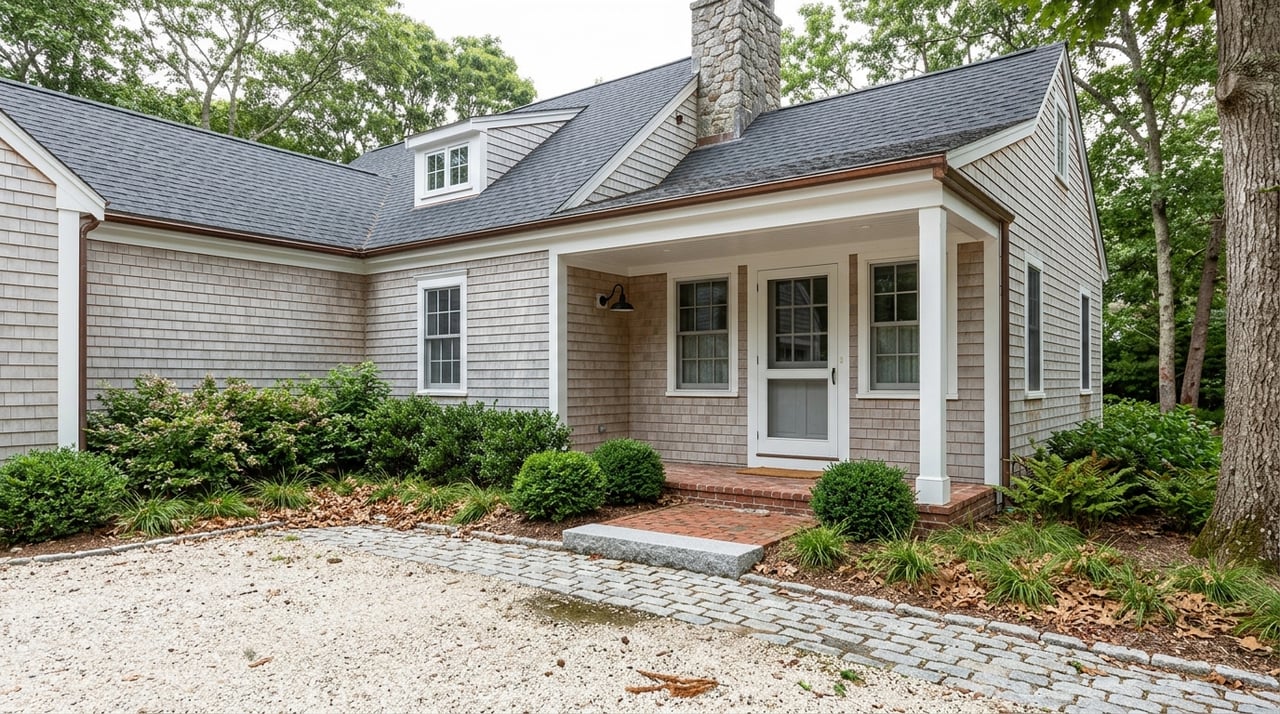
If you want more space, more quiet, and more access to nature without feeling completely cut off, Redding, CT may already be on your shortlist. This Fairfield County town appeals to buyers who value privacy, preserved land, and a slower daily pace, but still want practical access to nearby towns and New York City. If you are weighing whether Redding fits your lifestyle, this guide will walk you through what day-to-day life really looks like. Let’s dive in.
What living in Redding feels like
Redding is a small town in southwest Connecticut with a population of 8,830 and about 32 square miles of land, according to the Town of Redding annual report. It feels more rural and spread out than many other Fairfield County towns, which is a big part of its appeal.
Instead of one dense downtown, Redding works through several village centers. The town recognizes four local postal centers: Redding Center, Redding Ridge, Georgetown, and West Redding. If you are looking at 06896 specifically, that ZIP code is associated with West Redding.
Why Redding feels so quiet
A lot of Redding’s character comes from intentional long-term planning. The town’s zoning history shows that regulations adopted in 1950 were designed to preserve its predominantly residential and farming character.
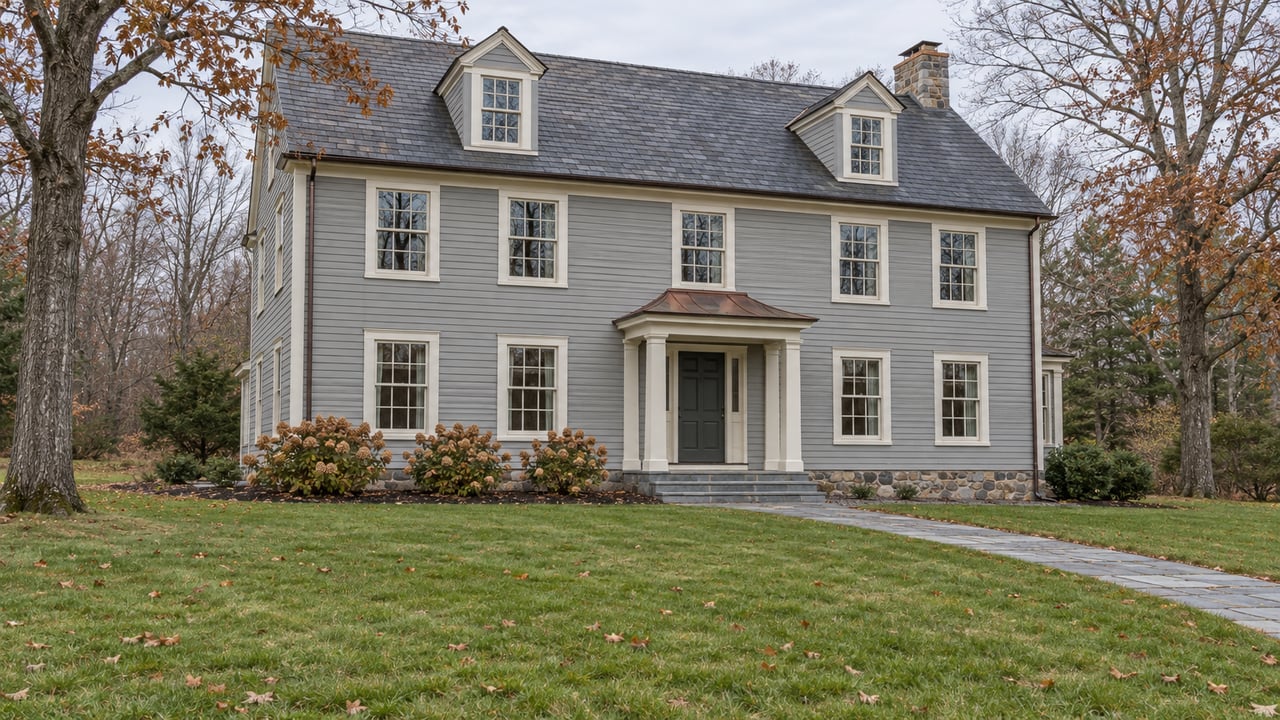
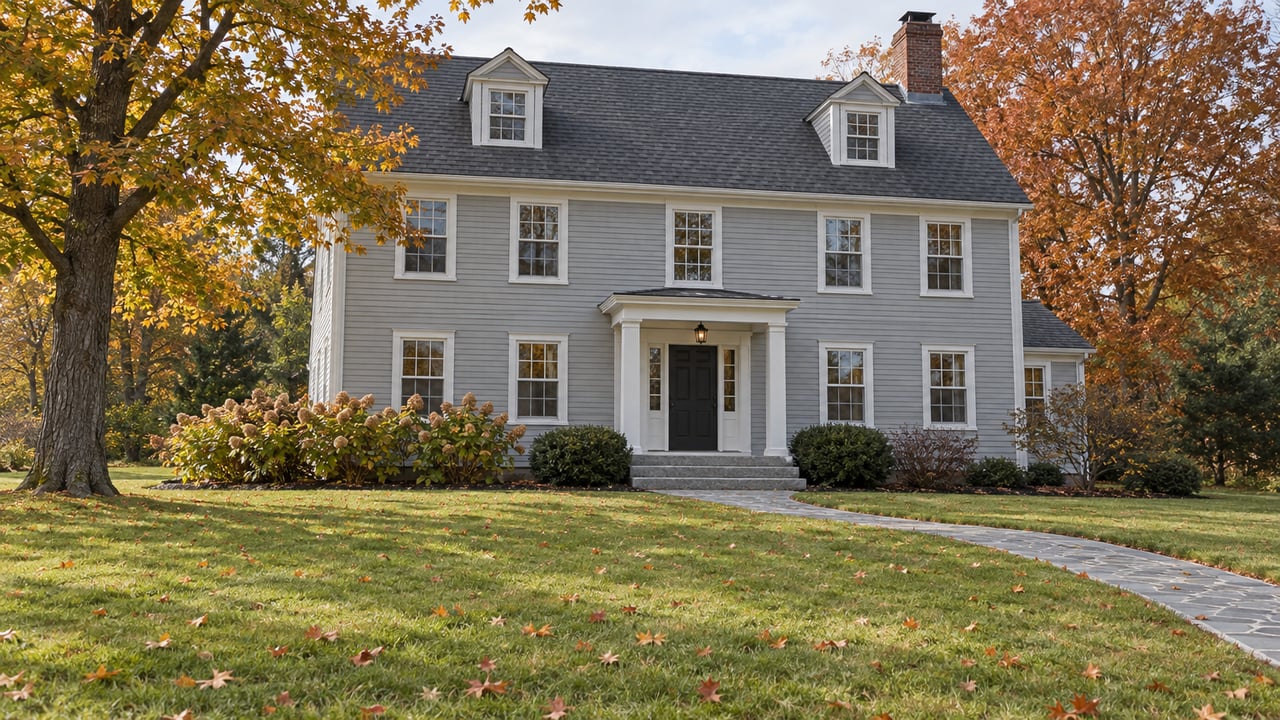
That planning approach still shapes the town today. You will find wooded roads, larger residential lots, and a village-based layout rather than a busy commercial center. For many buyers, that means a stronger sense of space and privacy, along with fewer walkable retail conveniences.
Open space is a major lifestyle feature
If outdoor access matters to you, Redding stands out. The town’s trail system includes over 60 miles of trails, and the Redding Land Trust protects more than 2,000 acres of open space while helping maintain 60-plus miles of trails.
The scale of preserved land is one of the biggest reasons people choose Redding. The town’s open-space planning also points to about 4,816 acres of permanently protected open space plus 2,824 acres of Centennial Watershed State Forest. The Conservation Commission maintains public and private open-space land and trails used for hiking, riding, and cross-country skiing.
Outdoor spots that shape daily life
Redding’s outdoor lifestyle is not just about long trail maps. It also shows up in local gathering places and seasonal recreation.
For example, Topstone Park swimming adds a warm-weather option for residents, while the Parade Path on the historic Town Green serves as a public garden and walking space. It is also used for community activities like school tours and the annual Mark Twain Library Story Walk.
Housing in Redding at a glance
Redding is primarily a homeowner market. According to U.S. Census QuickFacts, 91.6% of homes are owner-occupied, which helps explain why the rental market tends to be more limited than in denser suburbs.
The same source reports a median home value of $706,300, median gross rent of $2,101, and median monthly owner costs with a mortgage of $3,922. For buyers, that points to a premium suburban market, but one that may compare favorably with some nearby towns in the same search area.
How Redding compares nearby
For some buyers, Redding offers a chance to stay in western Fairfield County while spending less than they might in a few neighboring luxury markets. Census comparisons show Redding’s median home value is below Wilton’s $928,800, below Westport’s $1.405 million, and below Ridgefield’s $836,200.
That does not make Redding inexpensive. It does, however, help position the town as an option for buyers who want a high-quality Fairfield County location with more land, a quieter setting, and a price point that can sit below some of its wealthiest neighbors.
Rental options are more limited
Because the housing mix is so owner-heavy, renters may find fewer choices. One smaller-scale path for additional housing is through accessory apartment permits handled by the zoning office, which can support multigenerational living or limited rental inventory without changing the town’s low-density pattern.
If you are planning to rent in Redding, it helps to expect a thinner market and to be ready when the right property becomes available.
Schools and everyday amenities
For school-aged residents, Redding is served by the Easton-Redding-Region 9 district. Redding Elementary School serves pre-K through grade 4, John Read Middle School serves grades 5 through 8, and Joel Barlow High School serves grades 9 through 12 for students from Redding and Easton.
Beyond schools, daily life is supported by the Redding Community Center and Park and Recreation programming. Local offerings include tennis, pickleball, youth programs, and seasonal recreation at Topstone Park.
Georgetown and village-style hubs
Even though Redding does not have one large downtown, it does have distinct local centers that give the town texture. Georgetown Village is one of the most notable. The town describes the Gilbert and Bennett Wire Mill as one of Connecticut’s last intact mill sites, and a 2025 planning project is supporting revitalization work in Georgetown Village.
This village-based structure is important if you are comparing Redding to towns with a more concentrated center. In Redding, day-to-day life often revolves around a few smaller nodes, local institutions, and the natural landscape rather than one busy main street.
Can you commute from Redding?
Yes, you can. The town says Redding is about 53 miles from New York City, and Metro-North service is available on the Danbury Branch via the Redding station.
That said, Redding still lives more like a car-first town than a transit-oriented suburb. According to the MTA station page, the Redding station is accessible but does not have a ticket office or ticket machines. If your routine depends on rail access, that is worth knowing up front.
The commute tradeoff
For many buyers, Redding offers a workable middle ground. You can access Metro-North and maintain ties to New York City, but your day-to-day setting feels much more wooded, quiet, and spread out than what you would find in a more built-up commuter town.
That balance is often the deciding factor. If you prioritize convenience above all else, another town may fit better. If you want privacy, land, and a strong connection to open space, Redding may be exactly what you are after.
Who Redding tends to suit best
Redding often appeals to buyers who want a calm home environment and are comfortable trading some convenience for space. It can be a strong fit if you are looking for:
- A low-density setting with a more rural feel
- Access to trails, preserved land, and seasonal outdoor recreation
- A primarily single-family, owner-occupied housing market
- A Fairfield County location with commuter access to NYC
- A town made up of village centers rather than one dense downtown
It may be less appealing if your top priority is frequent walkability to shops, restaurants, and services in a concentrated center.
What to keep in mind before moving
Every town comes with tradeoffs, and Redding is no exception. Its biggest strengths are also the things that shape the lifestyle most clearly.
Before you move, think about how you want your daily routine to feel. If you picture wooded roads, more land, trail access, and a quieter home base, Redding offers a distinctive version of Fairfield County living. If you want help comparing Redding with nearby towns or finding the right fit within northern Fairfield County, Lauren Parr Homes offers thoughtful, high-touch guidance tailored to how you actually want to live.
FAQs
What is it like living in Redding, CT?
- Living in Redding feels quiet, low-density, and nature-focused, with village centers, preserved land, and more space than many nearby suburbs.
Is Redding, CT considered rural?
- Relatively yes. The town’s zoning, large amount of open space, and extensive trail network all support a wooded, low-density setting.
What does ZIP code 06896 mean in Redding, CT?
- ZIP code 06896 is associated with West Redding, one of the town’s four local postal centers.
Is Redding, CT good for commuting to New York City?
- Redding offers a real commuter option through Metro-North’s Danbury Branch, though the town still functions more like a car-first suburb than a transit-oriented one.
What kind of housing is most common in Redding, CT?
- Redding is mostly an owner-occupied housing market, with 91.6% of homes reported as owner-occupied by the U.S. Census.
Does Redding, CT have a downtown?
- Redding is better described as a town of several village centers, including Redding Center, Redding Ridge, Georgetown, and West Redding, rather than one dense downtown.