Are you drawn to the energy of Main Street, or do you picture yourself on a larger, quieter property with more privacy? If you are deciding where to buy in Ridgefield, that question matters more than almost anything else. The good news is that Ridgefield offers both lifestyles within the same town, and understanding the tradeoffs can help you choose with more confidence. Let’s dive in.
Ridgefield Offers Two Distinct Lifestyles
Ridgefield has a historic downtown core and broad lower-density residential areas beyond it. The town describes Main Street as a ridge lined with shops, museums, churches, and homes, and it notes that Ridgefield is about one hour north of New York City. That gives buyers a real choice between a more village-centered lifestyle and a more rural residential setting.
In practical terms, “in-town” usually means the village core and nearby streets around Main Street, Bailey Avenue, and parts of Catoonah Street and Prospect Street. “Country” usually refers to the more wooded, lower-density parts of town, where zoning often requires larger minimum lot sizes. Much of Ridgefield’s residential land is zoned for 2-acre or 3-acre lots, which helps explain why the outer parts of town feel distinctly more spacious.
What In-Town Living Feels Like
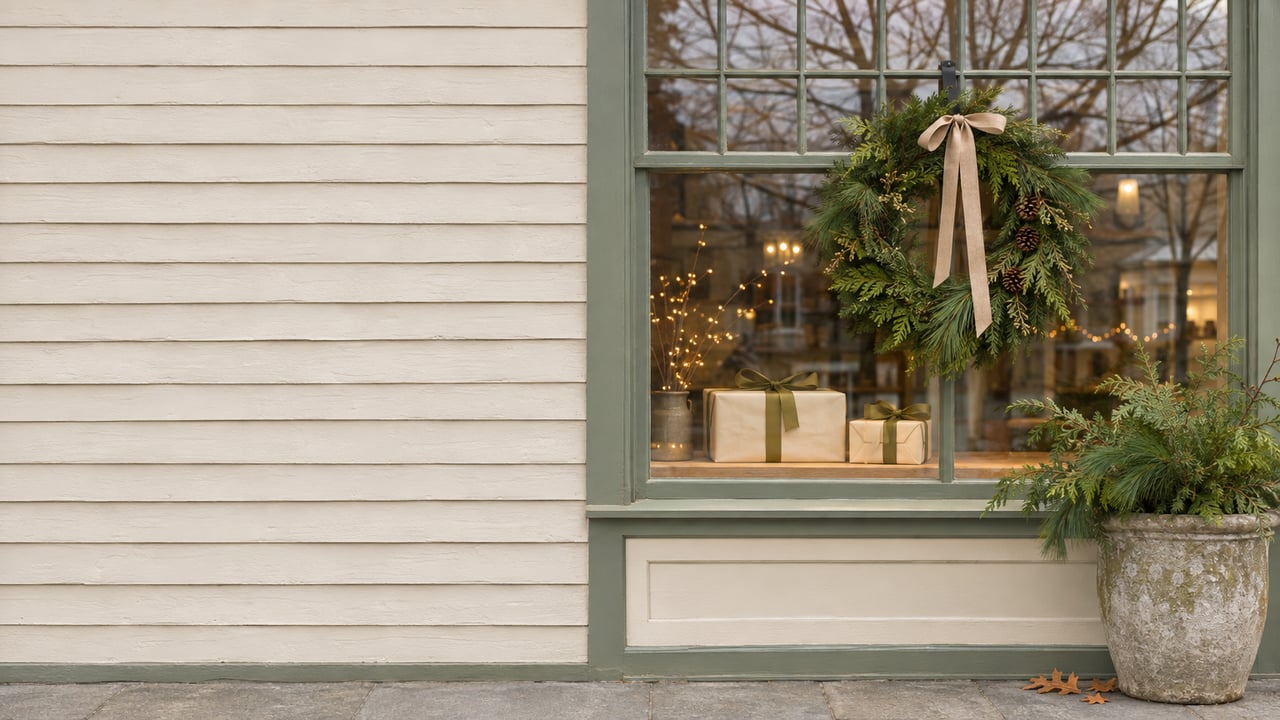
In-town Ridgefield is the best fit if you want to be close to daily conveniences and the rhythm of the village center. The downtown area is the town’s most concentrated, pedestrian-oriented section, with shops, restaurants, civic spaces, and community activity centered around Main Street. Even though most errands in Ridgefield still involve a car, living near downtown can cut down on short drives and make everyday plans feel easier.
That convenience can shape how you use your time. Meeting a friend, running an errand, or spending time downtown may feel more spontaneous when you live nearby. For many buyers, that creates a sense of connection to the town that is hard to replicate farther out.
Another important point is that some in-town properties fall within the Village District or regulated historic areas. That can help preserve the look and character of the streetscape, but it may also mean additional review for visible exterior changes. If you like the idea of a well-preserved village setting, that may feel like a benefit. If you want maximum renovation flexibility, it is something to weigh carefully.
What Country Living Feels Like
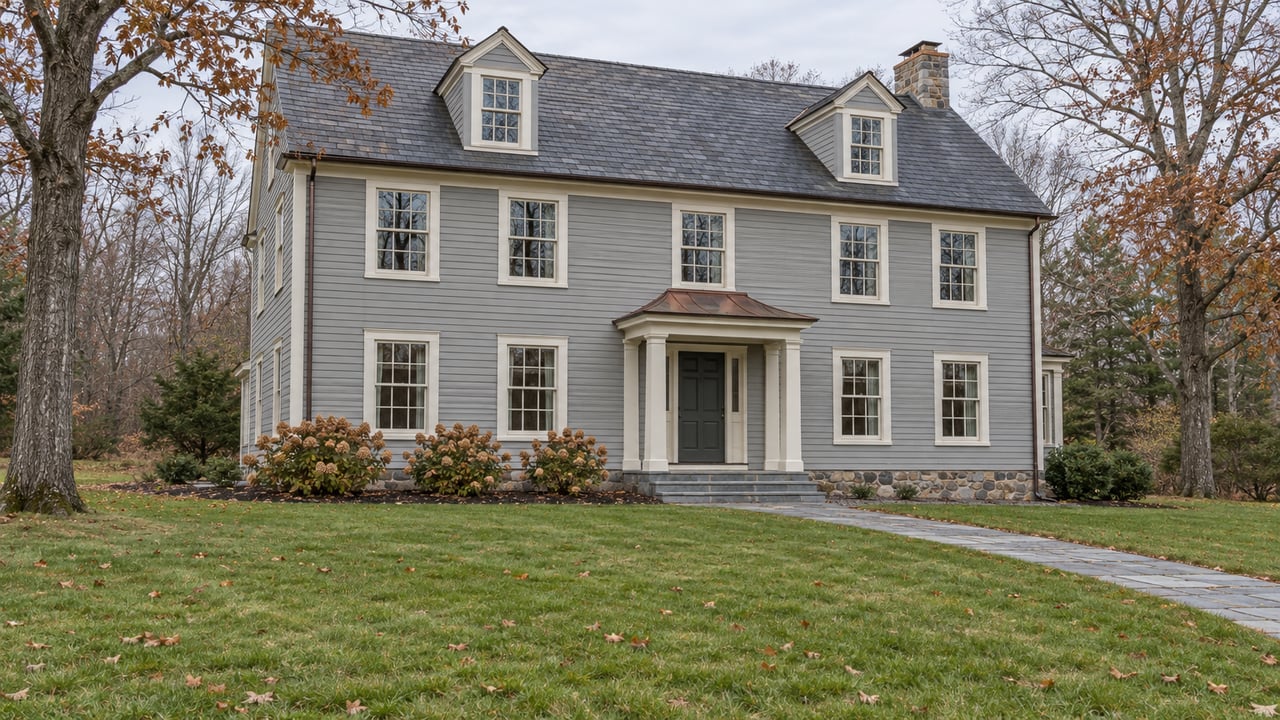
Country living in Ridgefield usually appeals to buyers who want space, privacy, and a more wooded setting. The town’s zoning and land-use patterns support that lifestyle in a meaningful way. Ridgefield’s open-space planning identifies preserved land, forests, ridges, greenways, and scenic resources as major community assets, and about 26% of the town was classified as open space in the town’s calculations.
That setting can give you a very different day-to-day experience. You may have more land to enjoy, more distance from neighbors, and a quieter residential environment. For buyers who care deeply about outdoor space, that can be the deciding factor.
At the same time, larger lots usually come with more upkeep. More land can mean more yard work, driveway maintenance, and a little more planning for day-to-day errands. If you want the space, those tradeoffs may be well worth it, but they should be part of the decision.
Commute and Access Matter More Than You Think
For many Ridgefield buyers, commute patterns quickly tip the scales between in-town and country living. Ridgefield’s rail access is through Branchville on Metro-North’s Danbury Line, not from a station in the middle of downtown. That means your drive to the station can matter just as much as your distance to Main Street.
The townwide mean travel time to work is 33 minutes, which makes access and routine a real part of your housing choice. If you commute regularly, think about how often you will drive to Branchville, how much time you want to spend in the car each week, and whether a more central or more outlying location supports that routine. The Parking Authority also oversees Branchville Station parking, which shows how important station access is for many residents.
Housing Stock Looks Different In Each Setting
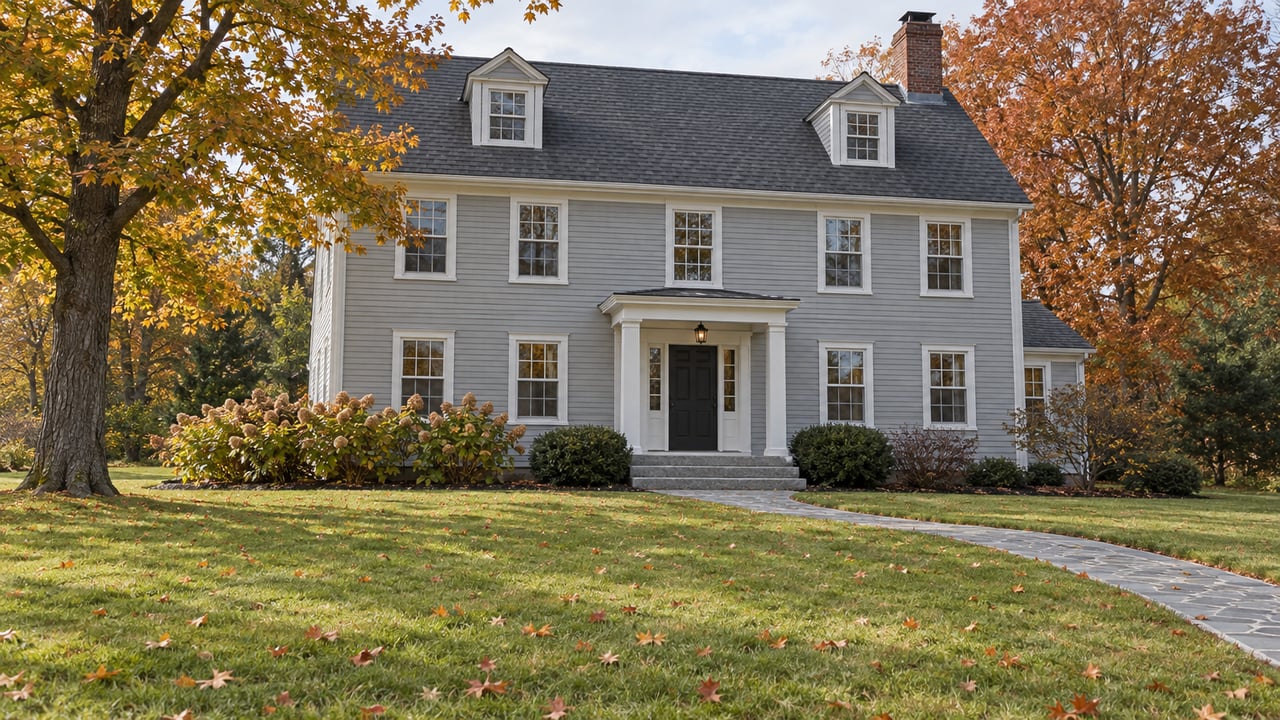
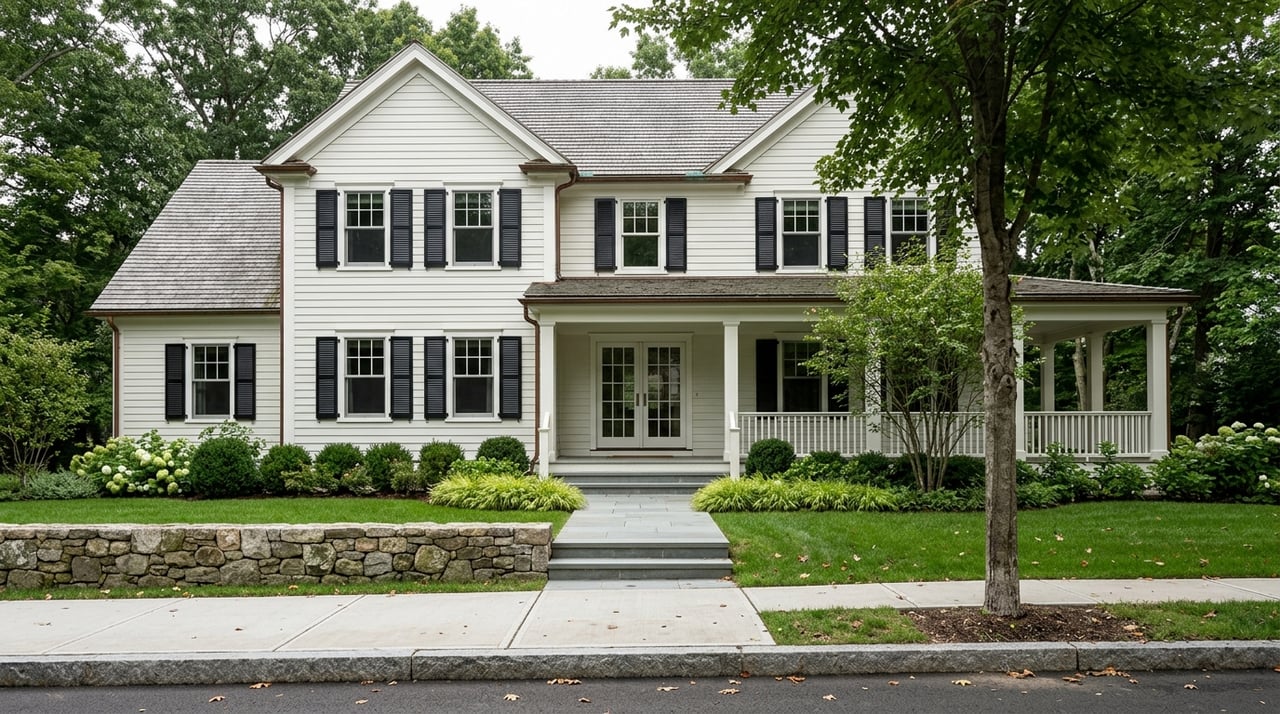
In-town and country homes in Ridgefield often appeal to different buyers because the housing stock is not the same. In-town homes are more likely to include properties near the historic core, with closer access to the village center and, in some cases, design review considerations. Country properties are more likely to be detached single-family homes on larger parcels in lower-density residential areas.
That difference affects both lifestyle and maintenance. A more compact in-town property may offer less yard to manage and easier access to local destinations. A country property may give you a larger footprint outdoors, but it may also require a higher level of ongoing care.
Ridgefield Is A High-Value Market Overall
No matter which lifestyle you prefer, you are buying into a high-value market. Public data points all tell a similar story. The Census Bureau reports a median owner-occupied home value of $836,200 for 2020 to 2024, Zillow’s average home value was $977,266 as of March 31, 2026, Realtor.com reported a median listing price around $895,000, and Redfin’s recent sold-price snapshot was about $1.0 million.
Those are different metrics, but together they show that Ridgefield sits in an expensive, established market. The town also has an owner-occupied rate of 83.5%, and 91.2% of residents lived in the same house one year earlier. That points to a relatively stable owner-occupied environment, which can matter if you are thinking about long-term value and resale.
Resale Often Comes Down To Clarity
One of the most helpful ways to think about resale in Ridgefield is to ask whether a home tells a clear lifestyle story. Buyers who want a village-centered experience often place a premium on convenience, access to Main Street, and a more connected daily routine. Buyers who want country living are often looking for land, privacy, and a scenic setting.
In many cases, the strongest resale position comes from leaning clearly into one of those needs. A home that offers true in-town convenience may attract buyers who want to use the village center often. A home with meaningful acreage and privacy may attract buyers who are specifically looking for space and separation.
This does not mean one is automatically better than the other. It means that clarity tends to help. The easier it is for a future buyer to understand the lifestyle a property offers, the stronger your resale story may be.
Taxes Depend More On Value Than Location Style
If you are wondering whether in-town or country living comes with a different tax structure, Ridgefield keeps it simple. The town uses one townwide mill rate rather than separate in-town and country tax rates. As of July 1, 2025, the mill rate is 27.39 mills per $1,000 of assessed value.
That means your property taxes are driven more by the home’s assessment than by whether the setting feels more village-like or more rural. When comparing homes, it is smart to look closely at the assessed value and carrying costs of each property rather than assume one location style is automatically less expensive to own.
How To Choose The Right Fit
If you are trying to narrow the choice, start with your actual habits instead of your ideal picture. It is easy to love both Main Street charm and the idea of acreage, but your routine will usually reveal what matters most.
Here are three questions that can help:
- How often will you really use downtown Ridgefield? If the answer is weekly or more, in-town living may be the better fit.
- How much outdoor space will you actively use? If land and privacy are part of your daily life, country living may make more sense.
- What kind of buyer might you want to attract later? In Ridgefield, a clearly walkable village location and a clearly desirable larger-lot setting each tend to offer a more defined resale story.
You can also use this quick guide:
Choose In-Town If You Want
- regular access to Main Street, restaurants, and downtown activity
- a more compact lifestyle
- less yard to manage
- a setting that feels social and convenient
Choose Country If You Want
- a larger lot and more privacy
- a wooded or scenic setting
- more separation from the village center
- a home where land and setting matter most
The Bottom Line On Ridgefield Living
Ridgefield is appealing because it gives you two very different ways to live in the same town. You can choose a more connected, village-centered experience near the heart of town, or you can choose a more private and spacious setting in the lower-density residential areas. Neither is better across the board.
The best choice is the one that fits how you want to live after move-in day. If you want help weighing commute, lifestyle, pricing, and resale considerations across Ridgefield, Lauren Parr Homes offers tailored, local guidance designed to help you move with confidence.
FAQs
What does in-town living in Ridgefield usually mean?
- In-town Ridgefield usually refers to the village core and nearby streets around Main Street, Bailey Avenue, and parts of Catoonah Street and Prospect Street.
What does country living in Ridgefield usually mean?
- Country living in Ridgefield usually means the lower-density, more wooded residential areas where larger lot sizes are common.
Is Ridgefield a commuter-friendly town for NYC-area buyers?
- Ridgefield is about one hour north of New York City, and rail access is through Branchville on Metro-North’s Danbury Line, so station access is an important part of the commute.
Are property taxes different for in-town and country homes in Ridgefield?
- Ridgefield uses one townwide mill rate, so the bigger tax factor is the home’s assessed value rather than whether it is in-town or more rural.
Does living in downtown Ridgefield affect home renovations?
- Some central Ridgefield homes fall within the Village District or regulated historic areas, which can add review requirements for visible exterior changes.
Is Ridgefield a high-priced housing market?
- Yes. Recent public market measures show Ridgefield as a high-value market, with figures ranging from a median listing price around $895,000 to recent sold-price snapshots near $1.0 million.