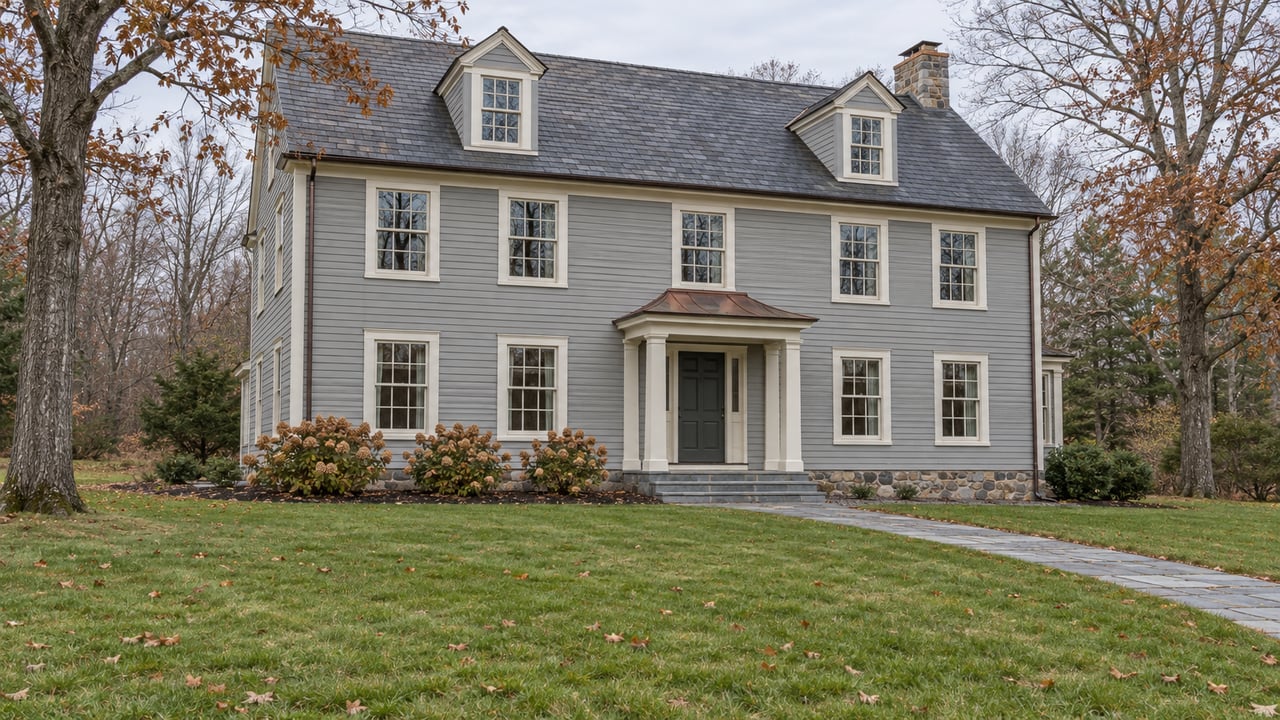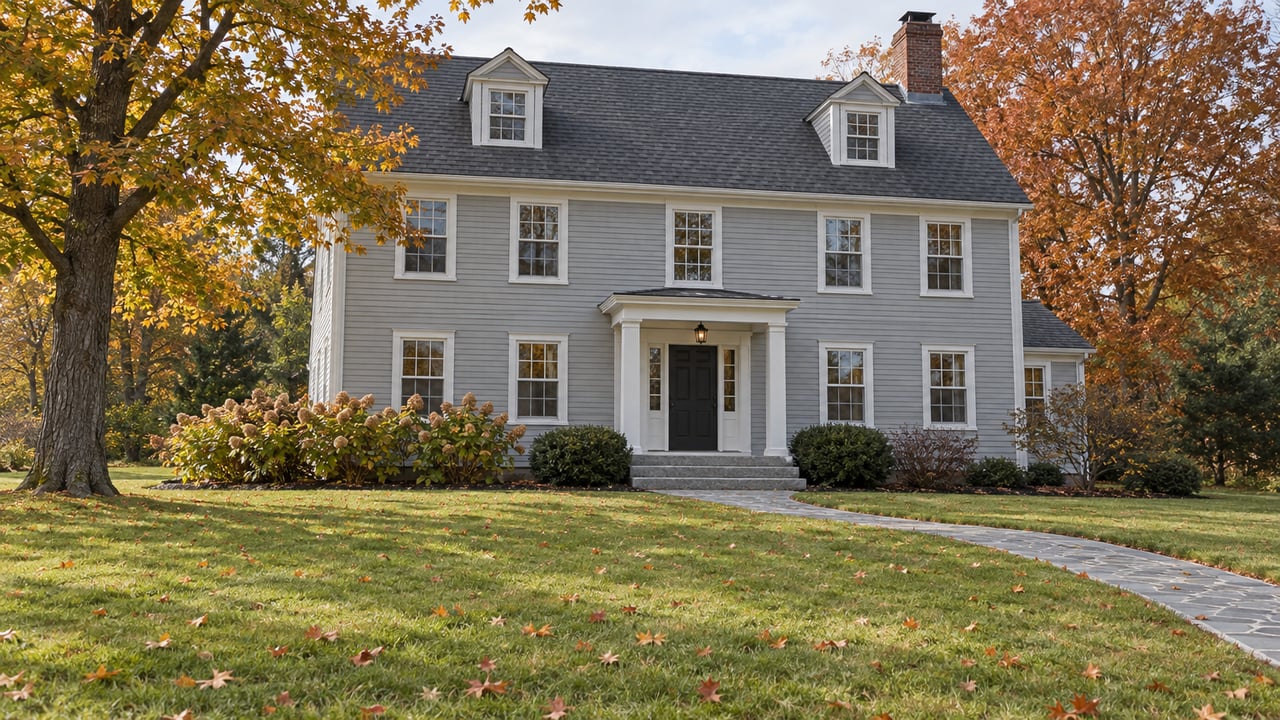
If your Ridgefield home feels bigger than your life needs now, you are not alone. Downsizing can be exciting, but it can also bring a lot of moving parts, from timing the sale to finding the right smaller home without giving up the parts of town life you love. The good news is that with the right plan, you can simplify your day-to-day life and make a smart financial move at the same time. Let’s dive in.
Why downsizing is a bigger decision in Ridgefield
Downsizing in Ridgefield is not just about square footage. It is also about equity, monthly costs, taxes, maintenance, and whether your next home will truly support the way you want to live.
That matters in a town where many owners have built substantial value in their homes over time. Census data for 2020 to 2024 shows an 83.5% owner-occupied housing rate, a median owner-occupied home value of $836,200, and median selected monthly owner costs of more than $4,000 with a mortgage and more than $1,500 without a mortgage. In practical terms, many homeowners have meaningful equity, but they are also carrying real ongoing costs.
Ridgefield is also a place where people tend to stay put. The Census Bureau reports that 91.2% of residents lived in the same house one year earlier, which is consistent with a town where homeowners often remain for long stretches. For you, that can mean fewer smaller homes available when you are ready to make a move.
Start with your real goal
Before you look at listings, get clear on why you want to downsize. Some homeowners want less yard work and fewer stairs. Others want a lower-maintenance lifestyle, easier travel, or a home that better fits daily life now.
A good first step is to think beyond the word “smaller.” What you really want may be simpler upkeep, a more practical layout, or a location that makes it easier to enjoy Ridgefield Center and other town amenities. When you define the goal first, it becomes much easier to judge whether a move makes sense.
Questions to ask yourself first
- Do you still use most of your current home regularly?
- Are stairs, storage, or yard maintenance becoming a burden?
- Do you want to reduce monthly carrying costs?
- Would you prefer a home with less upkeep and more lock-and-leave convenience?
- Is staying in Ridgefield important to you?
- Do you want to be closer to in-town amenities and a more pedestrian-friendly setting?
If several of those questions strike a chord, downsizing may be less about giving something up and more about making room for the next stage of life.
What smaller housing options exist in Ridgefield?
One of the biggest misconceptions about downsizing in Ridgefield is that your choices are limited to keeping a large single-family home or leaving town. Ridgefield’s planning and zoning framework shows that there are several housing types that can support a smaller-footprint move.
The town’s housing planning materials note that Ridgefield has updated regulations to allow accessory apartments, create zones for multifamily development and age-restricted housing, and adopt Housing Opportunity Development regulations. Mixed uses are also allowed in Ridgefield Center, which supports a more in-town lifestyle for some homeowners.
Condos, townhomes, and garden-style options
Ridgefield zoning defines multifamily dwellings to include condominiums, cooperatives, townhouses, and garden apartments. That gives downsizers more than one path if your priority is lower maintenance, less exterior upkeep, or a more manageable floor plan.
These options can be especially worth watching in the current market. In Connecticut’s April 2026 housing data, condo and townhome new listings increased, and pending sales in that category were up 10.1% year over year. That does not guarantee what you will find in Ridgefield at any given moment, but it does make this segment especially relevant if you want a smaller home with less day-to-day maintenance.
Age-restricted housing
Ridgefield’s Age-Restricted Housing District was created to help address the housing and related needs of an aging population by allowing a diversity of housing types. If your goal is to stay in town while shifting into a home designed for a different stage of life, this can be an important category to consider.
The key here is fit. Age-restricted options may offer the lower-maintenance lifestyle you want, but the right choice still depends on layout, location, costs, and availability when you are ready to move.
In-town living near Ridgefield Center
The Central Business District is intended to preserve Ridgefield Center’s historic character and promote pedestrian-friendly development. For some downsizers, that matters just as much as the home itself.
If you are hoping to drive less, manage fewer exterior chores, and stay connected to the center of town, an in-town option may be worth prioritizing. That lifestyle can feel very different from a larger property, even if the move does not reduce square footage as much as you first expected.
Accessory dwelling units
For some homeowners, downsizing does not mean leaving the property at all. Ridgefield zoning allows one accessory dwelling unit per lot in the relevant residential context, though there are specific rules and not every property will qualify.
The zoning regulations limit many ADUs to 900 square feet and two bedrooms. They also require the unit to preserve the appearance of the main residence, avoid new curb cuts, and provide at least three off-street parking spaces. If you are thinking about creating an ADU or making structural changes before a move, Ridgefield’s Planning and Zoning Department should review land-use applications and building permits first.
Compare the cost of staying versus moving
Many downsizing decisions look obvious emotionally, but the financial side can be more nuanced. A smaller home does not always mean dramatically lower monthly costs, especially if you move into a highly desirable location or a property type with its own ownership expenses.
That is why it helps to compare your current situation against your likely next step. Ridgefield’s FY 2025 to 2026 mill rate is 27.39 mills per $1,000 of assessed value, so property taxes are an important part of the math. For qualified homeowners age 65 and older, the town also maintains an elderly tax relief program, which may affect the decision to stay in town or move within it.
Costs to review before you decide
- Current mortgage payment, if any
- Property taxes
- Utilities
- Landscaping and snow removal
- Ongoing repair costs
- HOA or common charges, if you are considering a condo or townhome
- Future accessibility needs
- Proceeds and equity available after a sale
When you put those line items side by side, the right answer often becomes clearer. Sometimes downsizing lowers monthly stress more than monthly cost, and that can still be the right move.
Timing matters in today’s market
If you are selling and buying in the same window, timing can be just as important as price. The broader Connecticut market remains relatively tight. The Connecticut State Comptroller’s June 1, 2026 economic update reported that April 2026 inventory was at 2.2 months of supply, while homes sold for 102.7% of list price on average.
Ridgefield-specific data point to a fast-moving market as well. As of April 30, 2026, Zillow reported an average home value of $994,761, up 7.3% year over year, with 49 homes for sale and a median of 10 days to pending. Because Census and Zillow use different methods, those value figures should be treated as directional, not interchangeable, but together they reinforce the need for a plan.
Why a valuation-first strategy helps
In a market that can move quickly, you do not want to guess about your home’s position. A current valuation helps you understand your likely equity, what range makes sense for your next purchase, and how aggressive you may need to be on timing.
It also helps you avoid over-improving before listing. If demand is already strong, your best return may come from smart preparation and pricing rather than major projects.
What updates are worth doing before listing?
If you are downsizing, there is a good chance you do not want to pour time and money into a long renovation just to move. The stronger approach is usually to focus on presentation, condition, and the details that help buyers see space clearly.
The National Association of REALTORS® 2023 Profile of Home Staging found that sellers’ agents most often recommend decluttering the home, entire-home cleaning, removing pets during showings, minor repairs, and professional photos. It also found that 20% of agents said staging increased the dollar value offered by 1% to 5% compared with similar unstaged homes.
Best pre-listing priorities
- Declutter room by room
- Deep clean the entire home
- Handle minor repairs
- Simplify furniture placement to show space
- Focus attention on the living room, kitchen, and primary bedroom
- Invest in professional listing photos
For most Ridgefield homeowners, this means targeted improvements beat large-scale renovation. Buyers want a home that feels cared for, functional, and easy to imagine themselves in.
Should you sell first or buy first?
This is one of the biggest questions in any downsizing move. The answer depends on your financial flexibility, your comfort with risk, and how specific your next-home criteria are.
If you sell first, you usually gain clarity on proceeds and buying power. That can make your next move more confident, especially in a high-value market. The tradeoff is that you may need a short-term plan if the right next home is not available immediately.
If you buy first, you may avoid a temporary move, but you need to be comfortable carrying two homes or using other financial strategies if your current home has not sold yet. In Ridgefield, where inventory can be limited and smaller homes may not always be available on your timeline, many homeowners benefit from building their search plan early and understanding both paths before listing.
Build a downsizing plan that fits your life
A successful downsizing move usually has four parts: knowing your home’s value, understanding your likely next-home options, preparing your current home strategically, and choosing a timeline that protects your flexibility.
That is where local guidance matters. In Ridgefield, downsizing is shaped by town-specific zoning, current inventory, tax considerations, and the pace of the market. A thoughtful plan can help you simplify your next chapter without making rushed decisions.
If you are weighing whether to stay, sell, or find a smaller home in town, Lauren Parr Homes can help you think through the numbers, the timing, and the best next step for your goals.
FAQs
What downsizing options are available in Ridgefield, CT?
- Ridgefield’s local housing framework includes condos, cooperatives, townhouses, garden apartments, age-restricted housing, mixed-use in-town settings, and in some cases accessory dwelling units, depending on zoning and property qualifications.
How should Ridgefield homeowners compare the cost of staying versus downsizing?
- You should compare your current mortgage, taxes, utilities, maintenance, landscaping, and repair costs against the likely costs of your next home, including any HOA fees or common charges.
What property tax detail matters when downsizing in Ridgefield?
- Ridgefield’s FY 2025 to 2026 mill rate is 27.39 mills per $1,000 of assessed value, and qualified homeowners age 65 and older may also want to review the town’s elderly tax relief program.
What home updates are worth doing before listing a Ridgefield home?
- The strongest pre-listing priorities are usually decluttering, deep cleaning, minor repairs, thoughtful staging, and professional photos rather than major renovation work.
How fast is the Ridgefield housing market for sellers?
- As of April 30, 2026, Zillow reported 49 homes for sale in Ridgefield and a median of 10 days to pending, which suggests sellers should prepare early and line up their next-home strategy in advance.
Should Ridgefield downsizers sell before buying their next home?
- Selling first can give you more certainty around equity and budget, while buying first may reduce moving disruption, so the best approach depends on your finances, timing, and how limited your next-home options are.